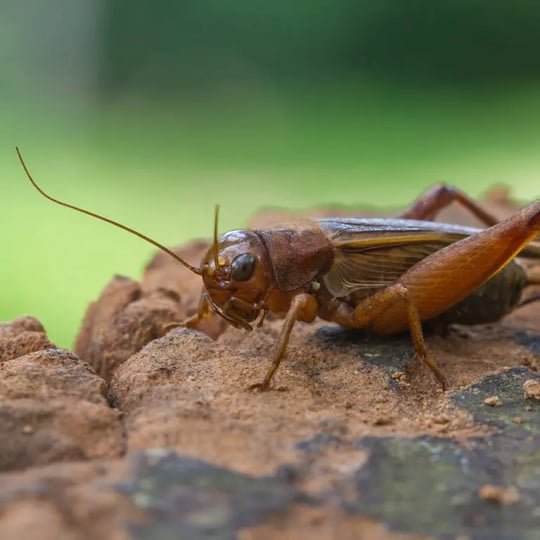
Crickets can survive without food for about 2 weeks, but they require water to live. Without water, crickets typically last only a few days. Understanding how long do crickets live without food or water is essential for keeping them in captivity or studying their behaviors. Let’s delve deeper into the remarkable survival instincts of these small creatures and the factors that influence their longevity without sustenance. Let’s explore the fascinating world of crickets and their resilience in the face of deprivation.

How Long Do Crickets Live Without Food or Water?
Introduction
Have you ever wondered how long crickets can survive without food or water? In this article, we will dive deep into the world of crickets and explore just how resilient these little insects can be when it comes to surviving without essential resources like food and water.
Basic Survival Needs of Crickets
Crickets, like all living creatures, require certain basic needs to survive. Just like humans need food, water, and shelter, crickets also need these essential elements to thrive. However, crickets are known for their ability to adapt and survive in challenging conditions.
Survival Without Food
Crickets are incredibly resourceful when it comes to surviving without food. These insects have the amazing ability to slow down their metabolism when food is scarce. This means that they can go for extended periods without eating. In fact, under optimal conditions, crickets can survive for weeks without food.
Metabolism and Survival
When a cricket’s metabolism slows down, its body enters a state of conservation where it conserves energy and resources. This adaptation allows crickets to survive longer periods without food compared to other insects.
Energy Reserves
Crickets store energy in the form of glycogen, a type of sugar that serves as a reserve fuel source when food is scarce. This energy reserve helps crickets maintain essential bodily functions even when they are not actively feeding.
Survival Without Water
While crickets can survive longer without food, their ability to survive without water is limited. Water is crucial for various bodily functions in crickets, such as digestion and circulation. Without water, crickets can quickly become dehydrated, leading to serious health issues.
Dehydration and Survival
When crickets do not have access to water, they become dehydrated, which can have serious consequences for their health and survival. Dehydration can lead to a lack of energy, impaired movement, and even death in severe cases.
Water Conservation
To combat dehydration, crickets have developed several strategies to conserve water. One of the ways they do this is by reducing water loss through respiration and excretion. Crickets also have the ability to reabsorb water from their feces to maintain hydration levels.
Extreme Conditions
In extreme conditions where both food and water are scarce, crickets face a significant challenge in terms of survival. While they can survive longer without food, the absence of water greatly limits their ability to stay alive.
Resilience in the Wild
In the wild, crickets have evolved to adapt to unpredictable environments, where food and water availability can vary drastically. Their resilience and ability to endure harsh conditions make them successful survivors in diverse ecosystems around the world.
Role in the Ecosystem
Crickets play a vital role in the ecosystem as food sources for other animals. Their ability to survive in challenging conditions ensures that they remain a reliable food supply for predators, contributing to the balance of the ecosystem.
In conclusion, crickets are remarkable insects that have developed unique adaptations to survive without food for extended periods. While they can withstand weeks without eating, their dependency on water makes them more vulnerable when faced with limited water resources. Understanding how crickets adapt to survival challenges provides valuable insights into the resilience of these fascinating creatures in the natural world.
How Long Do Crickets Live Without Food Or Water? [ Know Now ]
Frequently Asked Questions
How long can crickets survive without food or water?
Generally, crickets can survive for about one to two weeks without food, depending on their age and species. However, they require water more urgently than food to survive. Without water, crickets may only last a few days.
Why do crickets need water more urgently than food?
Water is essential for a cricket’s survival as it plays a crucial role in their bodily functions. Crickets lose water through activities like breathing and can quickly become dehydrated, leading to death. In comparison, crickets can survive longer without food because they have the ability to store energy in their bodies.
What are the signs that a cricket is suffering from dehydration?
When a cricket is dehydrated, it may appear lethargic, shriveled, or have trouble moving. You may also notice that its skin looks dry or wrinkled. If you observe these signs, it is crucial to provide water for the cricket immediately to prevent further complications or death.
Final Thoughts
Crickets can survive without food for up to 2 weeks, but they need water more frequently. Water is essential for their survival as they can only live for about 2-3 days without it. When considering “how long do crickets live without food or water,” it is crucial to provide both resources regularly to ensure their well-being. Overall, providing a consistent supply of food and water is vital for maintaining healthy cricket populations.