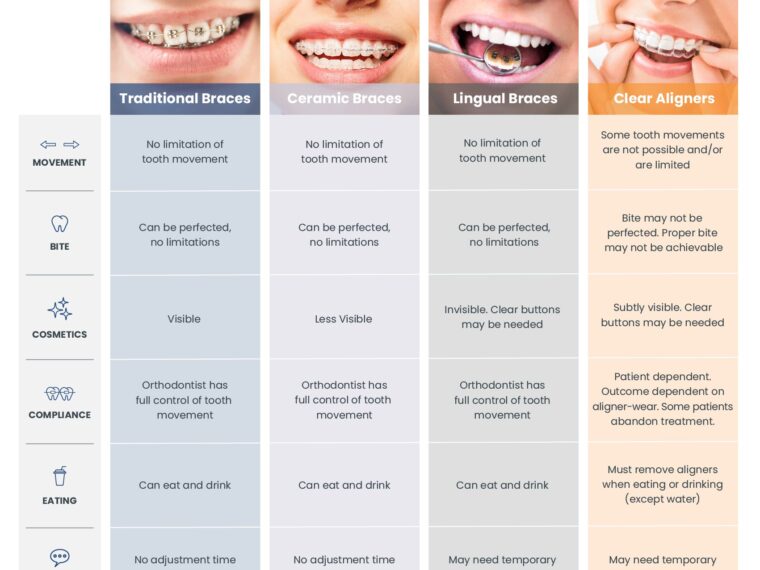
Braces for 12-year-olds with insurance can vary in cost. Factors like the type of braces, insurance coverage, and treatment duration influence the final price. Orthodontic care is essential for straightening teeth and improving oral health. Understanding how much do braces cost for 12 year olds with insurance is crucial for parents planning their child’s orthodontic treatment. Let’s delve deeper into the factors that determine the cost and how to navigate the expenses effectively.

How Much Do Braces Cost for 12 Year Olds with Insurance
Introduction
Welcome to our comprehensive guide on the cost of braces for 12-year-olds with insurance. If you or your child are considering getting braces, you may be wondering how much they will cost and how insurance can help alleviate some of the financial burden. In this article, we will break down the various factors that determine the cost of braces, the different types of braces available, how insurance coverage works for orthodontic treatment, and provide tips on how to manage the costs effectively.
Factors Affecting the Cost of Braces
The cost of braces can vary depending on several factors. The type of braces, the complexity of the orthodontic treatment needed, the location of the orthodontist, and your insurance coverage all play a role in determining the final cost.
Type of Braces
There are several types of braces available, including traditional metal braces, ceramic braces, and invisible aligners like Invisalign. Traditional metal braces are often the most affordable option, while ceramic braces and Invisalign tend to be more expensive due to their aesthetic appeal and advanced technology.
Complexity of Treatment
The cost of braces can also be influenced by the complexity of the orthodontic issues that need to be addressed. Some cases may require more extensive treatment, such as correcting severe misalignments or bite issues, which can increase the overall cost of braces.
Location of the Orthodontist
Orthodontic treatment costs can vary by location. Orthodontists in urban areas or regions with a higher cost of living may charge more for their services compared to those in rural areas. It’s essential to research orthodontists in your area and compare prices to find the most cost-effective option.
Understanding Insurance Coverage for Braces
Insurance coverage for braces can significantly reduce the out-of-pocket costs for orthodontic treatment. Most dental insurance plans offer some coverage for orthodontic treatment, although the extent of coverage can vary. It’s crucial to understand your insurance policy’s specific benefits and limitations regarding braces.
Orthodontic Insurance Coverage
Orthodontic treatment is typically considered a separate category from routine dental care, and not all dental insurance plans provide coverage for braces. If your insurance plan does offer orthodontic coverage, it may cover a percentage of the total cost, up to a specified lifetime maximum.
Pre-Authorization and Waiting Periods
Before starting orthodontic treatment, it’s essential to obtain pre-authorization from your insurance provider. This process involves submitting a treatment plan from your orthodontist to determine the coverage amount. Some insurance plans also have waiting periods before orthodontic benefits kick in, so be sure to check your policy for any waiting period requirements.
Out-of-Pocket Costs
Even with insurance coverage, you may still have out-of-pocket costs associated with braces. These costs can include deductibles, co-pays, and any expenses that exceed your insurance coverage limits. It’s essential to budget for these additional costs to avoid any financial surprises during the course of treatment.
Tips for Managing the Cost of Braces
While the cost of braces can be a significant investment, there are several strategies you can use to manage and minimize the financial impact of orthodontic treatment.
Payment Plans
Many orthodontic offices offer flexible payment plans that allow you to spread the cost of braces over a period of time. These payment plans can help make treatment more affordable by breaking down the total cost into manageable monthly payments.
Orthodontic Discounts and Special Offers
Some orthodontists may offer discounts or special promotions for orthodontic treatment, such as discounted rates for paying in full upfront or referral discounts. Be sure to inquire about any available discounts when discussing treatment options with your orthodontist.
Health Savings Accounts (HSAs) or Flexible Spending Accounts (FSAs)
If you have an HSA or FSA, you can use these tax-advantaged accounts to pay for orthodontic treatment expenses. Contributions to HSAs and FSAs are made pre-tax, allowing you to save money on eligible medical expenses, including braces.
Seek Multiple Consultations
It’s a good idea to schedule consultations with multiple orthodontists to compare treatment plans and costs. By getting multiple opinions, you can make an informed decision about the best orthodontic option that fits your budget and treatment needs.
In conclusion, the cost of braces for 12-year-olds with insurance can vary based on several factors, including the type of braces, the complexity of treatment, and your insurance coverage. By understanding these factors and exploring various strategies for managing costs, you can make orthodontic treatment more affordable and accessible for your child. Remember to research orthodontic options in your area, review your insurance benefits carefully, and discuss payment plan options with your orthodontist to find the best solution for your child’s orthodontic needs.
How Much Do Braces Cost?
Frequently Asked Questions
How do insurance plans typically cover the cost of braces for 12-year-olds?
Insurance plans vary in coverage for orthodontic treatment like braces. Some plans may cover a percentage of the cost, while others may have a set amount they contribute. It’s important to review your insurance policy to understand what is included in your coverage.
What factors can influence the overall cost of braces for 12-year-olds with insurance?
Several factors can impact the total cost of braces even with insurance coverage. This includes the type of braces chosen (metal, ceramic, Invisalign), the severity of the orthodontic issue, any additional treatments required, and the terms of your insurance plan.
Are there any out-of-pocket expenses that 12-year-olds may incur despite having insurance for braces?
While insurance can help offset the cost of braces for 12-year-olds, there may still be out-of-pocket expenses. These can include deductibles, copayments, charges for additional treatments or services, and any costs exceeding the coverage limits set by the insurance plan.
Final Thoughts
In conclusion, the cost of braces for 12-year-olds with insurance can vary depending on the type of braces chosen and the coverage provided by the insurance plan. Factors such as pre-treatment requirements and post-treatment fees may also impact the overall cost. It is essential for parents to thoroughly review their insurance policy to understand what is covered and what out-of-pocket expenses they may incur. Planning ahead and consulting with both the orthodontist and insurance provider can help in managing the cost effectively.