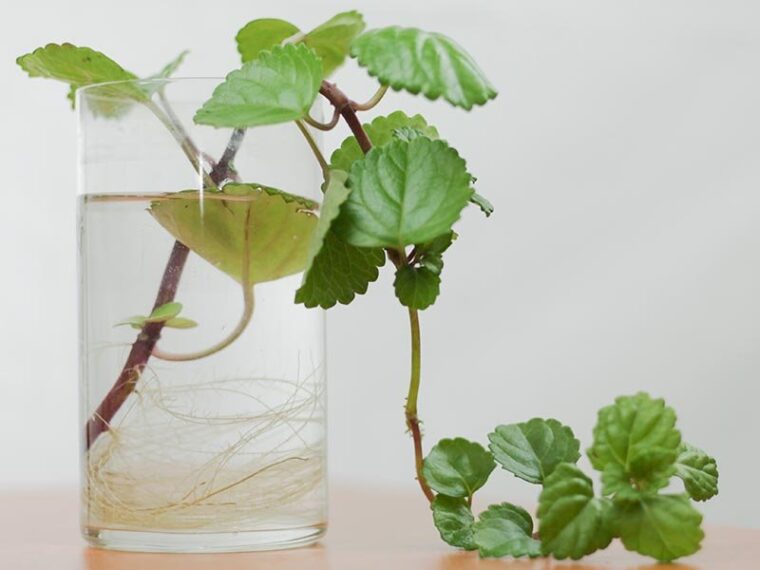
To propagate Swedish ivy successfully, all you need are some simple tools and a bit of patience. This resilient plant, with its lovely trailing vines and vibrant green leaves, is a popular choice for indoor gardens. Whether you want to expand your ivy collection or share cuttings with friends, learning how to propagate Swedish ivy is a rewarding skill to master. Follow these easy steps and soon you’ll have new plants to enjoy and share. Let’s dive in and discover the secrets to propagating Swedish ivy!

How to Propagate Swedish Ivy: A Comprehensive Guide
Welcome, plant enthusiasts! Today, we are diving into the wonderful world of propagating Swedish Ivy, a popular and easy-to-care-for houseplant that can bring greenery and freshness to any space. Whether you’re a seasoned gardener or a newbie plant parent, propagating Swedish Ivy can be a fun and rewarding experience. In this guide, we will explore the various methods you can use to propagate Swedish Ivy successfully. Let’s get started!
Understanding Swedish Ivy
Before we delve into the propagation methods, let’s familiarize ourselves with Swedish Ivy. Contrary to its name, Swedish Ivy is not actually native to Sweden but originates from South Africa. This trailing plant with glossy, round leaves is known for its low maintenance and air-purifying properties, making it a popular choice for indoor gardens. Swedish Ivy thrives in bright, indirect light and requires well-draining soil to prevent root rot.
Propagation Methods
There are several methods you can use to propagate Swedish Ivy, including stem cuttings, division, and layering. Each method has its advantages, so feel free to choose the one that best suits your preference and resources.
Stem Cuttings
Stem cuttings are one of the most common and straightforward ways to propagate Swedish Ivy. Here’s how you can do it:
- Using a sharp, clean pair of scissors or pruning shears, snip a healthy stem from the parent plant. Make sure the cutting is at least 4-6 inches long and has several leaves.
- Remove the lower leaves from the cutting, leaving only a couple of leaves at the top.
- Dip the cut end of the stem in a rooting hormone to promote root development.
- Plant the cutting in a small pot filled with moist potting mix, ensuring that at least one node (where a leaf was attached) is buried in the soil.
- Place the pot in a warm, bright location with indirect sunlight and keep the soil consistently moist but not waterlogged.
- After a few weeks, you should start to see roots developing. Once the roots are well-established, you can transfer the cutting to a larger pot.
Division
Division is another effective way to propagate Swedish Ivy, especially if the plant has grown large and bushy. Here’s how you can do it:
- Carefully remove the parent plant from its pot and shake off excess soil to expose the root system.
- Using a clean knife or gardening shears, divide the plant into smaller sections, making sure each section has roots and several stems with leaves.
- Plant each divided section in its own pot with fresh potting mix, and water thoroughly.
- Place the pots in a warm, bright location and continue to care for them as you would with a mature Swedish Ivy plant.
- Monitor the new plants for growth and root development, ensuring they receive adequate light and moisture.
Layering
Layering is a more advanced but effective method of propagating Swedish Ivy. Here’s how you can do it:
- Select a healthy, low-growing stem on the parent plant and gently wound the stem by making a small incision with a sharp knife.
- Apply a rooting hormone to the wounded area to encourage root growth.
- Cover the wounded area with moist peat moss or soil, and secure it in place with a small stake or twist tie.
- Keep the soil consistently moist and wait for roots to form at the wounded area.
- Once roots have developed, carefully cut the stem below the rooted section and plant it in a pot with fresh potting mix.
Caring for Propagated Swedish Ivy
After successfully propagating your Swedish Ivy, it’s essential to provide proper care to ensure the new plants thrive. Here are some tips for caring for propagated Swedish Ivy:
- Water the plants regularly, allowing the soil to dry out slightly between waterings to prevent overwatering.
- Provide bright, indirect light to promote healthy growth and prevent leaf burn.
- Fertilize the plants with a balanced liquid fertilizer every 4-6 weeks during the growing season to encourage growth.
- Monitor the plants for pests and diseases, and take appropriate measures to address any issues promptly.
- Repot the plants as needed to ensure they have adequate space for root growth.
Propagating Swedish Ivy can be a fun and rewarding experience that allows you to expand your plant collection and share the beauty of this versatile houseplant with others. Whether you choose to propagate Swedish Ivy through stem cuttings, division, or layering, the key is to provide the right conditions for the new plants to thrive. With proper care and attention, you’ll soon have a vibrant collection of Swedish Ivy plants gracing your home or garden. Happy propagating!
Thank you for reading our comprehensive guide on how to propagate Swedish Ivy. We hope you found the information helpful and inspiring. Stay tuned for more plant-related tips and tricks!
Swedish Ivy – Propagate From Cuttings
Frequently Asked Questions
How can I propagate Swedish Ivy?
To propagate Swedish Ivy, you can use stem cuttings. Select a healthy, non-flowering stem and cut a section that is around 4-6 inches long. Remove the lower leaves from the cutting, leaving only a few at the top. Place the cutting in a glass of water or a pot filled with moist soil. Keep the cutting in a warm, bright location with indirect sunlight and make sure to keep the soil consistently moist. Roots will start to develop after a few weeks, at which point you can transplant the cutting into a larger container.
When is the best time to propagate Swedish Ivy?
The best time to propagate Swedish Ivy is in the spring or early summer when the plant is actively growing. This period provides the ideal conditions for the new cuttings to establish roots quickly and thrive. Avoid propagating during the dormant winter months, as the plant may not respond as well to propagation efforts during this time.
Can I propagate Swedish Ivy from leaf cuttings?
Yes, you can propagate Swedish Ivy from leaf cuttings, although stem cuttings tend to be more successful. To propagate from leaf cuttings, simply select a healthy leaf and cut it into sections, making sure each section has a piece of the main vein. Place the cuttings in a pot with moist soil, mist them regularly to keep the soil moist, and provide them with bright, indirect light. While leaf cuttings can take longer to root compared to stem cuttings, they can still be a viable propagation method.
Final Thoughts
To propagate Swedish ivy, take stem cuttings in spring or summer. Ensure the cutting has at least one node. Place the cutting in water until roots develop, then transplant it into soil. With proper care and attention, propagating Swedish ivy can be a rewarding and simple process. So, remember these steps when learning how to propagate Swedish ivy.